
 Nextier
Gender Development
Dr. Ben Nwosu
African women and girls face deprivation such as hunger, poverty, malnutrition, illiteracy, diseases, and complex emergencies that limit their upward mobility in fundamental ways. A ray of hope in addressing these multiple gendered challenges came in 2015 through the Sustainable Development Goals (SDGs), with a major gender component for inclusive human development. National governments, including Nigeria, embarked on policy steps to remedy the SDGs’ gender interests, which are expected to be actualised by 2030. However, the rise of the COVID-19 pandemic and its impacts have raised significant impediments to implementing policies to actualize the SDGs. Generally, the COVID-19 pandemic impacts aggravate widespread violence against women, domestic violence, issues related to women in healthcare work, unpaid work, women’s health, economic shocks, conflicts, and migration. This essay examines the impediments of the COVID-19 pandemic on Nigeria’s policy initiatives on gender development.
The Situation before the COVID-19 Pandemic
Nigerian women perform multiple complex roles as mothers, caregivers, employees, and managers of households. In executing these roles, they are confronted by cultural impediments, gender-related conflicts, marginalisation from decision-making positions, poor access to credit facilities, and limited opportunities to life chances for development (Adepoju, 2006).
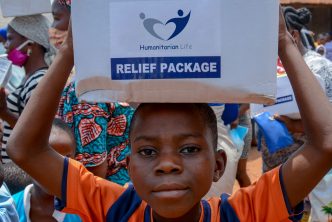
A number of the SDGs’ target-policies aim to address some of these gender-based concerns. Such concerns are essential components of President Muhammadu Buhari’s ambitious pledge to lift 100 million Nigerians out of poverty. A few practical steps in this regard include the Home Grown School Feeding Programme, conditional cash transfers, social investment, and the N-Power Programme. While these policy statements and programmes are laudable, their implementation outcomes have been marginal, as Nigeria ranks 145th out of 157 countries in progress towards meeting the SDGs. For example, despite the promise that the Home Grown School Feeding Programme would provide nutritious and balanced meals to 5.5 million children and empower 44,000 women as cooks in 26 states in the country, many Nigerians can hardly afford a meal a day. Statistics show that Nigeria has the 81st position out of 116 developing countries ranked in the end rural hunger database. Besides, the school feeding programme’s implementation faces some ethical questions. In particular, the spending of N523.3 million on the programme during the COVID-19 lockdown, when every school was closed, and pupils were at home, bears clarification.
Poverty and gender-based deprivation continue to undermine basic school enrolment and completion rates. Contrary to the SDGs’ aspiration, Nigeria has the largest number of out-of-school children globally and tops the chart in Sub-Saharan Africa’s 2019 figure of 33.8 million out of school children. School-age girls represent a more significant percentage of this number partly due to gender-based violence, sexual harassment, and victimisation by insurgent groups, as evidenced by the Chibok and Dapchi schoolgirls’ mass abductions.
The Government Enterprise and Empowerment Programme, created to provide soft loans ranging between N10,000 and N100,000 for 33,000 market women, and the conditional cash transfer programme of N5,000 monthly stipends to low-income families are yet to show encouraging impacts. The N-Power programme has also not effectively reduced the burden of gendered poverty despite its laudable objectives of promoting inclusion, employment, and productivity in line with the SDG agenda. Women and girls remain vulnerable, as the burden of poverty pushes them into risky sexual behaviour such as prostitution, which has implications for their reproductive health.
The Decline Deepens under COVID-19
The above situation, before the global pandemic, gained degenerative impetus from the severe impacts of COVID-19. Many women and girls, trapped at home at the pandemic’s peak, became victims of increased domestic violence. Gender-based violence remains pervasive in Nigeria and rose as high as 297 percent in an aggregated figure of the Federal Capital Territory, Lagos, and Ogun states between March and April 2020. The extant laws, including the 1999 Constitution, do not sufficiently uphold women and girls’ rights. While COVID-19 has worsened these conditions by keeping more school-age girls and women close to their abusers through a general lockdown, access to justice for gender-based violence victims remains constrained by institutional and socio-economic factors.
The particular needs of women as front-line health workers also present gender concerns. The hazard allowances of Nigerian health workers at the height of COVID-19 are mostly unpaid. In line with global statistics, which place the gender ratio of health workers at 70 percent of women, women dominate the sector in Nigeria. However, they do not have a proportional voice in decision making. Thus, apart from exposure at home, as caregivers to sick family members, women are also vulnerable in workplaces as health workers. They work under challenging conditions, are marginalised in decision-making, and are denied earned emoluments.
Thinking around how COVID-19 deepens gendered poverty, in Sub-Saharan Africa, around 92 percent of employed women are in informal employment and low paid economic activities. The pandemic could likely result in a prolonged dip in women’s incomes and labour force participation. UN Women survey results from Asia and the Pacific show that women are losing their livelihoods faster than men and have limited options to alter the situation. Consequently, young women and girls living in poverty, with disabilities, or in rural, isolated locations are more likely to be pulled out of school due to economic hardship and to compensate for increased care work at home. Young girls are also more prone to child marriages, and other structural violence forms as families try to manage their economic burdens.
The situation is even worse in environments under conflicts such as the Boko Haram insurgency in Nigeria and the Lake Chad Basin area. There had been reports of sexual exploitation of women and girls in camps hosting internally displacedpersons (IDPs). Officials make a quid pro quo of sex for food and other supplies. Due to multiple risks in the IDP camps and under the restraints imposed to control the COVID-19 pandemic, such abusive conditions worsened. Narrowed supplies and more incredible difficulty accessing basic needs like food exposed women to more vulnerabilities during the lockdown.
The intervention Ministries, Departments, and Agencies (MDAs) require more effective policy formulation and implementation from the preceding limiting factors.
Going Forward
- These organizations will help technically give scope to the gender issues related to the SDGs, support policy processes to promote optimum resource utilization, and accountability in delivering interventions targeted at women and girls.
- There is a need for a level playing ground for women and girls. The government and other stakeholders should provide equal opportunities for men and women in the workplace regarding hiring, promotions, remuneration, and accessible legal remedies for sexual harassment.
- Rather than fiscal handouts to women and girls, the government should solicit development firms’ services to train and enhance women and girls’ wealth creation potential, as has been done in Brazil, Malawi, and Columbia. This action will enable the beneficiaries of such vocational training to be gainfully employed and be self-sustaining.
Conclusion
Nigeria’s prospects in achieving the gender targets of the Sustainable Development Goals were bleak before 2020 and have been made worse by the pandemic. Although realising the gender goals and SDG targets by 2030 appears like a distant dream, there are opportunities for significant progress in policymaking and implementation. To change Nigeria’s current standing on gender-related goals and targets, which are burdened by the COVID-19 pandemic, the government inevitably needs to embrace increased collaboration with development experts.